NYEE HomeThe New York Eye and Ear Infirmary
Patient InfoHealthcare ProfessionalsSpecialties & ServicesSupport NYEEAbout Us
  Highlights
Archive of NYEEI News & Events
About Us

Appointments

Careers / Jobs

Community Information

Contact Us

Continuum
Health Partners

History & Mission

Insurance

JCAHO Public Notice

Map & Directions

News Archive

Noticy of Privacy Practices

Patient's Bill of Rights

Search

Site Map

 
printer-friendly version of this pagePrinter-Friendly Page large print version of this pageLarge Print Version 
Curing "Sleep Disordered Breathing" Can Improve Your Child's School Performance and Other Health Problems, Too

New York, NY (August 2005) -- A good night’s sleep is critical to doing well in school because your child will be rested and can pay more attention in class and while doing homework. While this is common sense, the reasons for not getting a good night’s sleep can be complex; and the rewards for treatment can extend beyond better grades. 

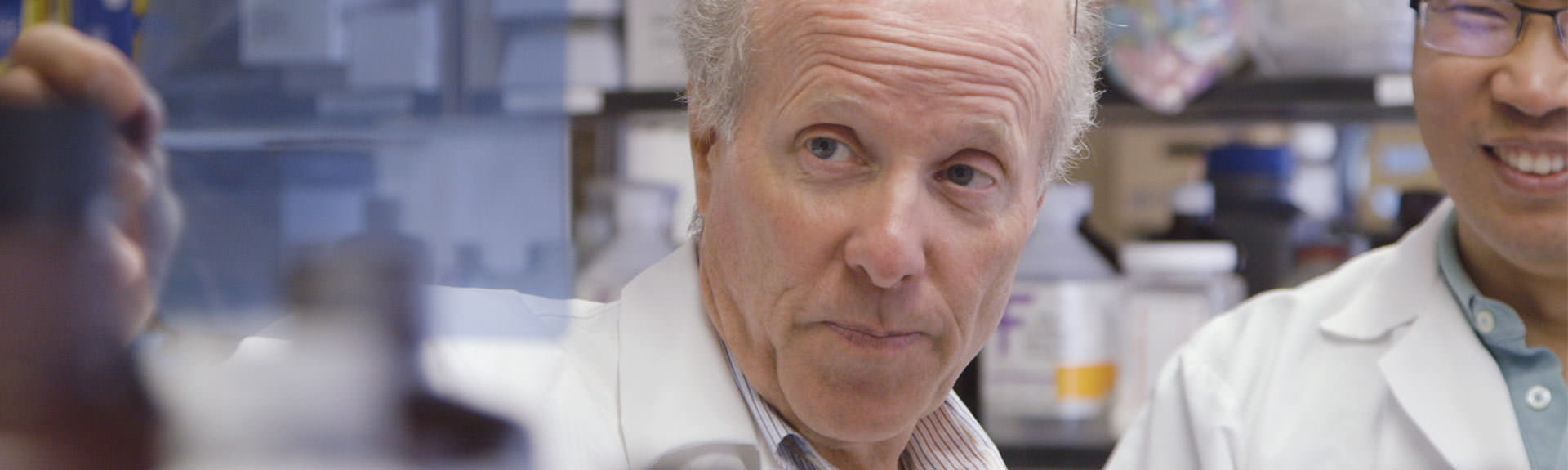
photo: Robin Dyleski, MD 

“One reason your child may not be getting a good night’s sleep is that he or she is having breathing problems,” said Robin A. Dyleski, MD director of Pediatric Otolaryngology at The New York Eye and Ear Infirmary. “The symptoms for breathing problems include: snoring, restlessness, gasping and pauses in breathing.”

“Pauses in breathing (sometimes called sleep apnea, but today referred to as ‘sleep disordered breathing’) cause a reduction of oxygen in the bloodstream,” she said. “Over 90 percent of children who snore are at risk for sleep disordered breathing.”

The most common cause of sleep disordered breathing in children, especially during deep sleep, is obstruction of the breathing passage by the presence of large tonsils and undetected adenoids, tonsil-like tissue behind the nose, according to Dr. Dyleski. 

To find out if tonsils or adenoids are the cause of your child’s breathing problems at night, it is best to check with your pediatrician, who may in turn refer you to a pediatric otolaryngologist, a specialist in ear, nose and throat disorders. Treatment may be as simple as treating a stuffy nose or as complex as a tonsillectomy and adenoidectomy. 

"If obstructive adenoids or tonsils are removed, and your child’s sleep is improved, it may not only help with school work," said Dr. Dyleski, "Many children experience less asthma, less hyperactivity, improved attention span and colds seem to get better faster."

TOP  


Media Information

If you are a reporter seeking an interview with a doctor at The New York Eye and Ear Infirmary, please contact Jean Thomas, at (212) 979-4274.

TOP


Home > curing "Sleep Disordered Breathing" Can Improve Your Child's School Performance and Other Health Problems, Too